

Last Updated: 4 November 2026
Quick Summary
Heat or ice for muscle pain depends on whether the pain is fresh or long-standing. Ice generally suits new swelling and sharp post-activity pain, while heat generally suits stiff, recurring soreness. Research shows both can ease pain, so matching the method to the pain type matters most.
- Ice generally suits new injuries, swelling and sharp post-activity pain.
- Heat generally suits stiffness, tight muscles and recurring aches.
- A 2021 meta-analysis found no significant difference in pain relief between cold and heat for delayed-onset soreness.
- No universal timing schedule exists, so follow product guidance and your own comfort.
- Never place ice or heat directly on bare skin.
Table of Contents
- Heat or Ice for Muscle Pain: Choosing Between Them
- Heat or Ice for Muscle Soreness After Exercise
- How Long to Ice a Sore Muscle and How Long to Apply Heat to Muscle Pain
- Frequently Asked Questions
Heat or Ice for Muscle Pain: Choosing Between Them
Choosing between heat or ice for muscle pain depends on whether the pain is fresh or long-standing. If you are wondering whether your muscle pain is really from dehydration, the dedicated article answers that question directly. Ice is generally suited to new swelling, while heat is generally suited to stiff, recurring soreness. Research shows both can ease pain, so the right choice matters more than the method.
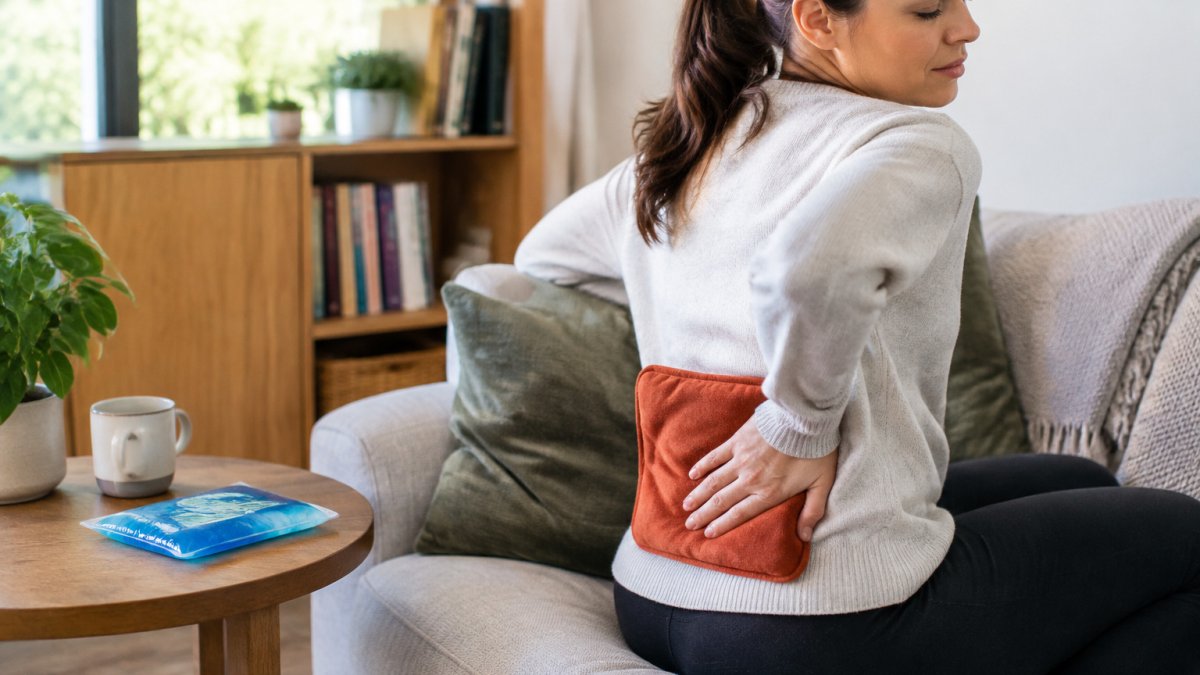
A systematic review on cold and heat therapies found no unified standard for timing, frequency or temperature. Readers should treat any fixed schedule with caution.
A 2021 meta-analysis of cold and heat for delayed-onset muscle soreness found no significant difference in pain relief between the two (P = 0.16).
- Ice: new injuries, swelling, sharp post-activity pain
- Heat: stiffness, tight muscles, recurring aches
A warm KIWI WHEAT BAG - 3 Segment can relax tight muscles before you apply a topical product.

The table below sets out when each option tends to suit, based on the points above.
Option |
Best for |
Key difference |
|---|---|---|
Ice |
New injuries, swelling, sharp post-activity pain |
Suited to fresh pain |
Heat |
Stiffness, tight muscles, recurring aches |
Suited to long-standing soreness |
Either |
Delayed-onset muscle soreness |
No significant difference in pain relief (P = 0.16) |
Heat or Ice for Muscle Soreness After Exercise
Muscle soreness after exercise may respond to either option, and the evidence shows little difference between them. What matters is avoiding harm and choosing a comfortable approach.
Cold is often used soon after hard training, while heat suits the stiff feeling that follows. Treatment within one hour after exercise may reduce pain, according to a 2021 meta-analysis.
For sore muscles after exercise, a X-ZONE SPORTS RUB - 100ml is designed for pre and post exercise use.

How Long to Ice a Sore Muscle and How Long to Apply Heat to Muscle Pain
There is no universal schedule, so follow product guidance and your own comfort. Keep sessions short and never place ice or heat directly on bare skin.
- Ice: short sessions, wrapped in a cloth
- Heat: gentle warmth, avoid burns
If pain is severe or not settling, read Severe Muscle Pain: Causes, Relief and When to Get Help and seek medical advice.
Frequently Asked Questions
Should I use heat or ice for muscle pain?
Ice is usually better for a recent injury, sharp pain or visible swelling, because cold reduces swelling and dulls pain in the first day or two. Heat suits stiffness, tightness and longer-standing aches, as it relaxes muscles and loosens stiff joints. If you are unsure, start with ice for fresh injuries and switch to heat once swelling has settled. Both help relieve pain, and the research does not show one clearly beating the other for muscle soreness.
Can I alternate heat and ice for muscle pain?
Yes, many people alternate between the two, but keep each application to about 15 to 20 minutes and never apply ice or heat directly to the skin. Use a cloth between the pack and your skin, and allow the area to return to normal temperature before switching. Stop if the skin becomes red, numb or blistered. Alternating is most useful for sore muscles once swelling has eased.
When should I see a doctor for severe muscle pain?
See a doctor if the pain is severe, does not improve after a few days of self-care, or comes with swelling that is getting worse, numbness, weakness, or an inability to bear weight or move the limb. Seek urgent help after a fall or a significant injury, or if you notice unexplained redness, heat or fever. Persistent or recurring pain also deserves a proper assessment rather than repeated self-treatment.
X-ZONE New Zealand's range of natural rubs and sprays can complement heat or ice. Explore the X-ZONE range to find a routine that suits your muscles.
